
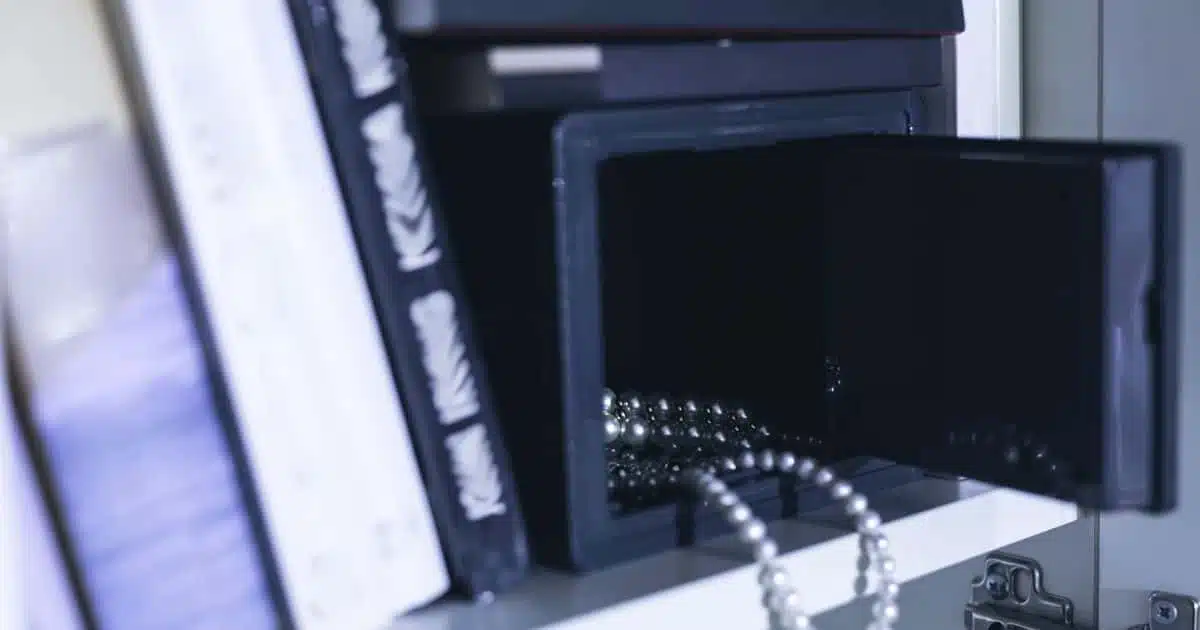
We all know safes can be used to keep our valuable possessions secure but what are the other benefits, and what should you consider before purchasing one? Here, we start by outlining the different benefits having a safe in your home can bring.
Theft
We usually associate safes with theft-prevention – this is just one key benefit of safes. A statistic that may surprise you is that a burglary takes place every 106 seconds in the UK*; these are often traumatising events, even if you are not home when it happens. The stress and emotion that comes with experiencing a burglary and losing possessions or suffering damage to your home is bad enough, and then there is the financial cost.
The ONS (Office for National Statistics) notes the average cost of a residential burglary in the UK at £3,030 – London suffers an annual cost of £182m to burglaries followed by Greater Manchester at £66m and the West Midlands at £65m. These are alarming figures and illustrate the first benefit of having a safe – preventing your valuable (whether this be financial or sentimental value) items from the wrong hands.
Fire & Water Damage
Many safes can withstand high temperatures, making them a great place to store important documents such as passports, birth certificates, deeds and wills, as well as cherished photographs or letters.
Fires can occur for numerous reasons in the home, whether it be improper use of heaters, an appliance accidentally being left on, a stove left unattended or any number of other reasons. In the event of a fire, the number one priority will be to get you and your loved ones to safety – a safe can give you peace of mind that your possessions and important documentation will not be destroyed.
Safes can also be a great way to protect items from water damage – although safes aren’t necessarily 100% waterproof, they can help to keep documents dry and expensive watches, jewellery, or other contents from being submerged. Escape of water is one of the most common types of claims seen by insures in terms of domestic property damage, with insurers paying out £1.8m for this type of claim every day** (you can read more about Escape of Water here, and Leak Detection systems here) so whether it’s water damage caused by an internal leak, an extreme weather event or a burst pipe, your possessions can benefit from an extra layer of protection.
Safety
Safes can also be used to protect other members of the household, for example, when it comes to storing firearms securely. Possession of a firearm comes with a great deal of responsibility – these are weapons and must not be left where others can access them. Guns must be safely locked away to ensure they do not fall into the wrong hands and cause harm.
Which safe for what purpose?
If you are looking to install a safe in your home, you will need to choose it with the primary function you want it to perform in mind.
For example, not all safes are fire resistant – some offer little to no fire protection – a safe’s fire resistance will come down to its construction. Some double-walled safes will give you about 10/15 minutes’ protection but only up to a certain temperature, others will provide next to no protection whilst a properly certified safe can offer the best option for this particular concern.
Like with fire resistance, safes also vary in their level of physical security – a basic safe may protect against the average thief but as safes have evolved, thieves’ methods have too. Again, here it is important to consider where you purchase your safe from and which model to get – getting a more modern safe from a reputable maker should give you better protection – they will have better security measures and should be the most difficult to penetrate.
There are various certifications that safes can be given, you should do your research and make sure that the safe you are purchasing will meet your needs – alternatively, you should speak to a specialist safe company.
Other things to consider
You should also consider things such as where the safe will be installed in your home for it to be most effective and secure. Your home’s layout or structure may mean that a floor safe may be more appropriate than a wall safe, for example. If you’re looking to protect items from flooding or fire, this may also determine where the safe would be best placed. Finally, insurers may stipulate where is appropriate/necessary for a safe to be installed, if having a safe is a condition of your policy. Things like size and weight of the safe will also need to be considered from the point of view of installation in your home but also in terms of fitting what you need to inside.
How the safe is locked (e.g. keys, codes or biometrics (e.g. thumbprint)) can also be of significance – different locking systems impact the usability of the safe as well as its security; for example, keys can be lost and codes forgotten but a biometric lock may only allow one person to utilise the safe.
If you or your home has a significant profile, you are more likely to be targeted by aggravated burglary and as such, may wish to think about installing a “dummy” safe or second safe. Having a safe with a few, less precious items in can provide a way of quickly satisfying the intruder, making it more likely for you to keep hold of your more precious items. A second safe can also be helpful to separate out items of jewellery worn regularly from occasional pieces.
What about insurance?
The impact on your insurance is another thing to think about when you are looking to purchase a safe.
At McClarrons Affinity, we try our best to source clients a policy that is warranty free – however, depending on the value of your contents, insurers may actually apply the requirement of a sufficient (insurer-approved) safe being installed. There are a variety of safe levels meeting European Standards, starting at the lowest – Grade 0, which typically is considered by insurers to be sufficient to cover up to £10,000 in cash and £100,000 worth of valuables, whereas the likes of a Grade 6 would be suitable to secure up to £150,000 in cash or £1.5 million of valuables.
Insurers may also provide preferable terms should you have a safe installed, dependent on its features and grading, as they can often present a better risk with valuables benefitting from an extra layer of protection.
Ultimately, it is all about choosing the safe that best suits your specific needs and risks, alongside any insurance cover requirement, its size, cost and suitable location for installation within your property.
How can we help?
McClarrons Affinity can introduce you to the UK’s leading provider of safes, Associated Security, who can assist with finding the right solution for you. They supply a large range of home safes and have the ability to create a bespoke safe to meet your individual needs. They can even arrange a site visit to help determine what would be most suitable and what is actually possible within the confines of your property. With over 75 years’ experience in the industry, their highly skilled workforce and prices starting from as little as £200 (incl. VAT), you can be confident that Associated Security will be able to provide a suitable solution for you.
If you would like to discuss any element of your home insurance, security or safes, or would like a complimentary review of your insurances, please do not hesitate to get in touch with our specialist Art & Private Client team at affinity@mcclarroninsurance.com or on 01653 602634.
Sources:
*https://www.theecoexperts.co.uk/home-security/burglary-statistics
**https://www.abi.org.uk/products-and-issues/choosing-the-right-insurance/home-insurance/burst-pipes-and-water-leaks/
https://www.safeoptions.co.uk/blog/guides/beginners-guide-choosing-safe/#what-are-my-options-for-locking-my-safe


