Recently, there has been a lot in the news about car insurance premiums increasing, with automatic drivers affected slightly more than manual drivers. Sky News reported Julie Daniels, of Compare the Market, saying that young automatic-only drivers could end up paying £760 more than those insuring manual cars, and over £900 more this year than what they usually would to insure their car. In this blog, we explore the rise of insurance premiums for automatic cars, looking at the factors that affect the insurance rates for these vehicles.
Car insurance premiums have been on the rise in recent years with professional services firm, EY, predicting that consumer premiums will continue to rise by a further 10% in 2024, after having already risen by 25% in 2023. With the UK’s average premium now at £995, being the highest average ever recorded, drivers in London continue to see the most expensive car insurance rates, from £1,600.
Causes of Rising Car Insurance Premiums
Insurance companies consider several factors when determining the cost of car insurance, including (but not limited to) the type of car, the driver’s age and driving history, and the level of risk associated with the vehicle. Insurance company, Admiral, claims that the average premium for automatic license holders is 56% higher than manual license holders, partly due to automatic drivers showing a 46% higher claim frequency.
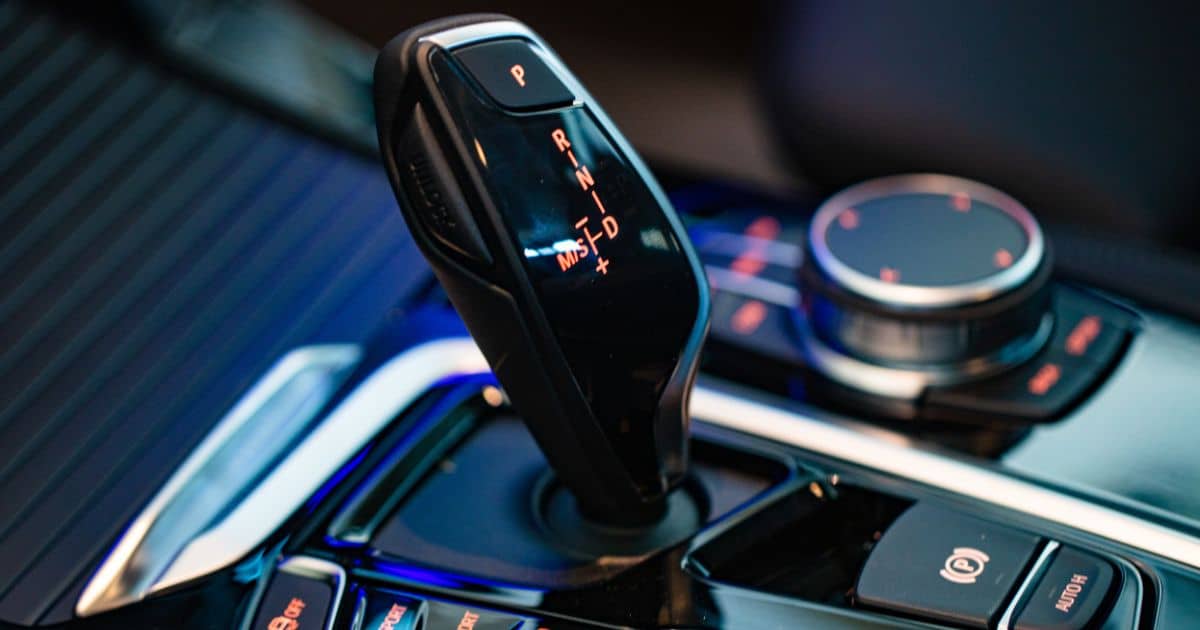
Automatic cars also often come with higher insurance premiums compared to manual cars due to their unique and complex features and gearboxes, which generally cost more to repair. Manual cars, which have simpler gearboxes and fewer components, are often seen as more affordable to maintain, leading to cheaper car insurance premiums with regard to this aspect.
We are also still feeling the aftereffects of the Covid-19 pandemic, Ukraine war and Brexit through supply shortages, inflation, and inexperienced staff, all of which contribute to added costs for insurers when paying claims. Read our ‘How motor claims inflation and rate increases could affect you’ blog which discusses these issues in more detail.
Another factor contributing to the increase is the growing popularity of automatic cars, which we explore further below. Automatic cars are becoming increasingly common on the roads, thanks to advancements in technology and the rise of electric vehicles, with over 1 million on UK roads now.
The Rising Popularity of Automatic Cars
In recent years, there has been a significant increase in the popularity of automatic cars due to the advancements in automatic gearbox technology and the aforementioned rise of electric vehicles. Automatic cars offer a convenient and effortless driving experience; the shift towards automatic cars is expected to continue as more drivers recognise the benefits of these vehicles, which include:
- Convenience: Automatic cars eliminate the need for manually shifting gears, allowing for a smoother and more effortless driving experience.
- Ease of use: Automatic gearboxes provide a simpler and less demanding driving experience, making them a popular choice for drivers, especially in busy city environments. They eliminate the need for clutch control and gear shifting, allowing drivers to focus more on the road and their surroundings.
- Electric vehicles: The rise of electric vehicles has contributed to the growing popularity of automatic cars, as most electric cars come equipped with automatic gearboxes.
- Availability in the car marketplace: Automatic cars are widely available in the car marketplace, offering buyers a range of options to choose from based on their preferences and needs.
- Fuel efficient: An old tale that has outlived its time is that automatic cars use up their fuel much quicker than manual vehicles. With evolving technology and better designed gear transitions, automatic cars use less fuel, saving the driver some money.
These features and the increasing consumer demand for automatic cars have led to a surge in sales, outpacing the sales of manual cars in recent years. As a result, insurance companies have taken notice of this trend and adjusted their premiums accordingly.
Insurance discounts and how to qualify for them
As insurance premiums continue to rise, drivers may, understandably, wish to explore strategies to reduce their insurance costs and ensure they are getting the best coverage at an affordable price. Insurance companies offer various discounts that can help drivers reduce their insurance premiums. To qualify for these discounts, drivers should consider the following:
- Good driving record: Maintaining a clean driving record with no accidents or traffic violations could make you eligible for a good driver discount.
- Low annual mileage: If you drive fewer miles annually, you may qualify for a low mileage discount. Insurance companies view drivers with lower mileage as less risky and often offer lower premiums as a result.
- Defensive driving course: Completing a defensive driving course can demonstrate your commitment to safe driving and could make you eligible for a discount.
- Multi-car or multi-policy discount: Insuring multiple cars or bundling multiple insurance policies with the same company can often lead to discounted premiums.
- Young Driver Car Insurance: Young motorists often face higher insurance premiums. However, there are specialised insurance policies and discounts available on the market specifically for young drivers. Exploring these options can help young motorists reduce their insurance costs.
These insurance discounts are not specific to automatic cars but can help drivers, including those with automatic vehicles, reduce their insurance costs. It is important to ask your insurance broker about available discounts and see if you qualify for any that could help lower your premium.
The Future of Automatic Cars and Insurance Trends
The future of automatic cars and insurance trends is closely tied to the ongoing advancements in technology and the increasing popularity of electric vehicles. As electric cars continue to gain traction in the market, insurance companies need to adapt to the changing landscape.
Emerging technologies, such as autonomous driving features like lane-keeping assist, adaptive cruise control and connected car technologies, are expected to have a significant impact on insurance premiums. These technologies have the potential to improve road safety and reduce the risk of accidents, which could result in lower insurance premiums for automatic cars.
However, the full extent of the impact of these emerging technologies on insurance premiums is yet to be determined. As technology continues to evolve, insurance companies will need to assess and adjust their premiums to accurately reflect the risk associated with insuring automatic cars.
By exploring strategies to reduce premiums and staying abreast of emerging, you can make informed decisions to protect your vehicle. For specialist knowledge and advice on your motor insurance, you can contact our private client insurance team, McClarrons Affinity, at affinity@mcclarroninsurance.com or on 01653 602634.