
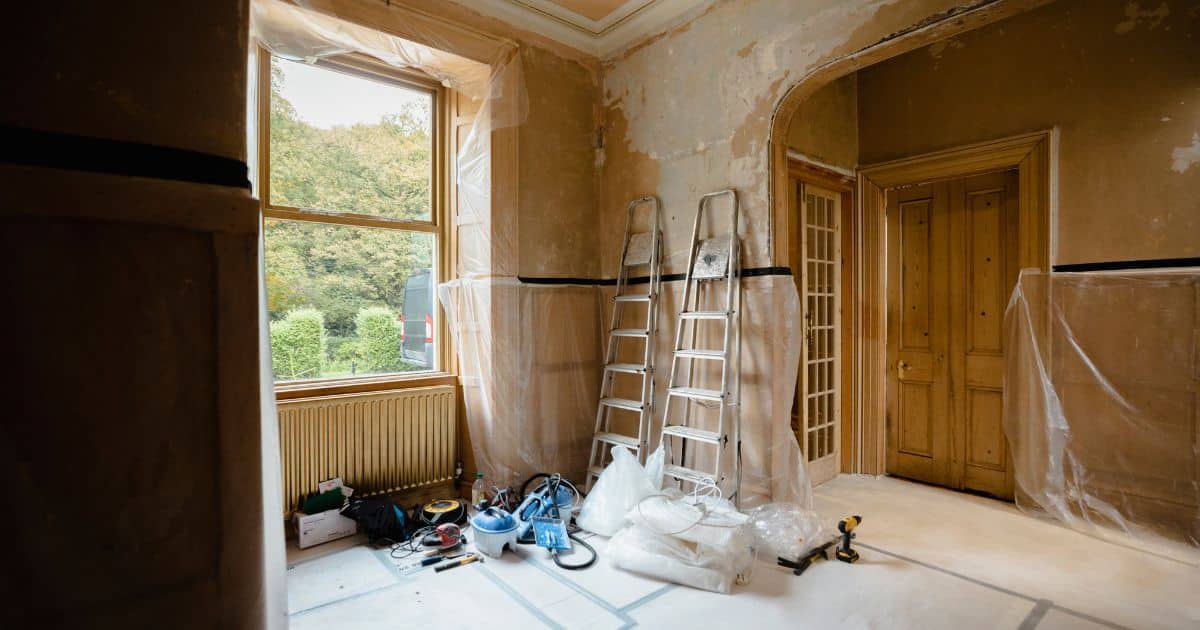
The relationship between tenants, landlords, and insurers can be complex, especially when it comes to alterations or improvements made by tenants. This blog explains some of the things you need to be aware of as a landlord when it comes to building insurance in the context of tenants’ improvements.
Building insurance is designed to cover the structure of a property against risks such as fire, flood, theft, or accidental damage. It generally covers the following from a variety of perils:
- Structural elements like walls, floors, and the roof
- Fixed fixtures such as windows, doors, and plumbing
- External elements like perimeter walls, fences, gates & outbuildings
However, when tenants or leaseholders make improvements or alterations to the property, questions can arise about whether these additions are covered by the landlord’s building insurance or whether separate cover should be in place.
Need to Know
When tenants rent a commercial or residential space, or when you are looking to invest in property, understanding building insurance – particularly with regard to tenants’ improvements, becomes crucial.
Here in the UK, the relationship between tenants, landlords, and insurers can be complex, especially when it comes to alterations or improvements made by tenants. We hope this blog explains some of the things you need to be aware of when it comes to the building insurance of your property in the context of tenants’ improvements.
What are Tenants’ Improvements?
Tenants’ improvements refer to any alterations, upgrades, or customisations a tenant makes to a rented space, typically to meet their specific needs or to enhance the space. In commercial premises this can include, but is not limited to, things like installing partition walls, suspended ceilings, upgrading lighting or HVAC systems, or adding bespoke shelving and fixtures. In residential properties, this is more likely to be works like new fitted kitchens, bathrooms or built in wardrobes in bedrooms. While these improvements may enhance the tenant’s experience, they also introduce unique insurance considerations for both the tenant and you, the landlord.
Who is Responsible for Insurance of Tenants’ Improvements?
In most cases, provided sums insured are adequate, the landlord or freeholder’s building insurance will cover the core structure and essential fixtures of the building. However, whether tenants’ improvements are covered under their policy depends on the terms of the lease agreement and the nature of the improvements.
- Landlord’s Responsibility: Landlords should ensure that their building insurance policy covers the entire property, including any permanent fixtures added by the tenant.
- Tenant’s Responsibility: Tenants may need to take out separate insurance to cover their improvements, particularly if they plan on installing equipment or fixtures that are not included in the landlord’s building insurance policy.
A tenant’s home contents insurance policy will usually have the facility to include tenants’ improvements so that the leaseholder/tenant can have an element of control over how any claims may be handled. Similarly, a commercial tenant’s policy will usually have a similar extension available to incorporate these elements should it be necessary.
Key Considerations when it comes to Tenants’ Improvements and Insurance
- Lease Agreement The lease agreement between landlord and tenant often specifies the responsibilities of both the tenant and landlord regarding insurance. Tenants can be required to maintain insurance for their own improvements and provide evidence of this cover to the landlord if this is clearly set out in the terms of the lease agreement.
- Notifying the Insurer If tenants make significant improvements, they should inform the insurer (whether they are covered by the landlord’s building insurance, their own or both) to ensure the improvements are adequately covered. Failing to notify insurers could lead to claims being denied or cover being inadequate in the event of damage. It is worth remembering that the tenant that adds the improvement to the building effectively owns those additions, unless there is an agreement in place with the freeholder that states otherwise. It is therefore helpful to make sure cover can be accessed easily by the tenant should there be a claim specifically relating to their improvements; if the tenant cannot contact the landlord’s insurer directly as needed, they should ask you to inform the relevant insurer.
- Valuation of Improvements As part of the process, it is crucial that both tenants and landlords assess the value of tenant improvements. This helps to ensure that the right level of cover is maintained, especially in the case of an accident, fire, or other incident. Some improvements may increase the overall reinstatement value of the property and so should be factored into the building insurance. Again, it is worth discussing improvements with your broker or insurer to determine how this best be valued and covered.
- Document Improvements Ask tenants to keep and share detailed records of any relevant tenant improvements, including receipts, plans, and photographs. This documentation can be invaluable in the event of a claim, particularly when it comes to higher value and more permanent improvements.
Building insurance can be complex to navigate when looking at how tenants’ improvements will be covered. Both tenants and landlords need to understand their respective responsibilities and ensure that adequate cover is in place. By checking insurance policies, understanding lease terms, and keeping proper documentation, all parties can protect themselves from potential financial losses due to damage or accidents involving tenant improvements and the wider property.
If you are a landlord who wants to ensure your property is properly insured, it’s always a good idea to consult with a specialist property broker to clarify the cover you need, to help avoid surprises further down the line.
Some other Considerations
- A high experience of claims could affect your overall building insurance premiums. This can lead to landlord’s preferring to have tenants insure any improvements themselves so that the tenant’s own insurance pays for the replacement or repair of high value improvements, rather than the landlord’s policy.
- Another benefit to having tenants insure their own improvements is that they have more responsibility over the claims process. It is less likely that you will need to be involved in the process and it will give the tenant autonomy over sorting any claims themselves.
- If you increase your building sums insured to cater for tenants’ improvements, this could raise premiums on your landlord insurance policy, and as such, increase costs for other tenants who may also occupy the building and contribute to the building’s overall insurance.
How we can help
Our team of insurance specialists are on hand to answer any queries you may have about your landlord or property owner insurance. We would also welcome carrying out a complimentary review of your insurances to see how we may be able to provide you with peace of mind around your protection.
You can contact our Commercial Team at commercial@mcclarroninsurance.com or on 01653 609151.