
When it comes to commercial property insurance, certain crucial elements are often misunderstood or underestimated by business owners. One such area is the disclosure of property unoccupancy, a factor that, if missed or ignored, can have far-reaching financial consequences.
At McClarrons, we view these common misunderstandings as an opportunity to offer guidance and reaffirm our commitment to providing tailored, specialist insurance advice. To illustrate the importance of disclosure, particularly in relation to unoccupied properties, we’ve developed a scenario-based video campaign that presents the stark difference in outcomes based on whether or not a client notifies their insurer of the unoccupancy of their property. In this blog, we explore the scenario and unpack the reasons why disclosure can be essential.
In 2021, we wrote a blog about ‘What is ‘Duty of Disclosure’ and why is it so important?’, something all policyholders should be aware of.
Why Unoccupancy is a ‘Material Fact’
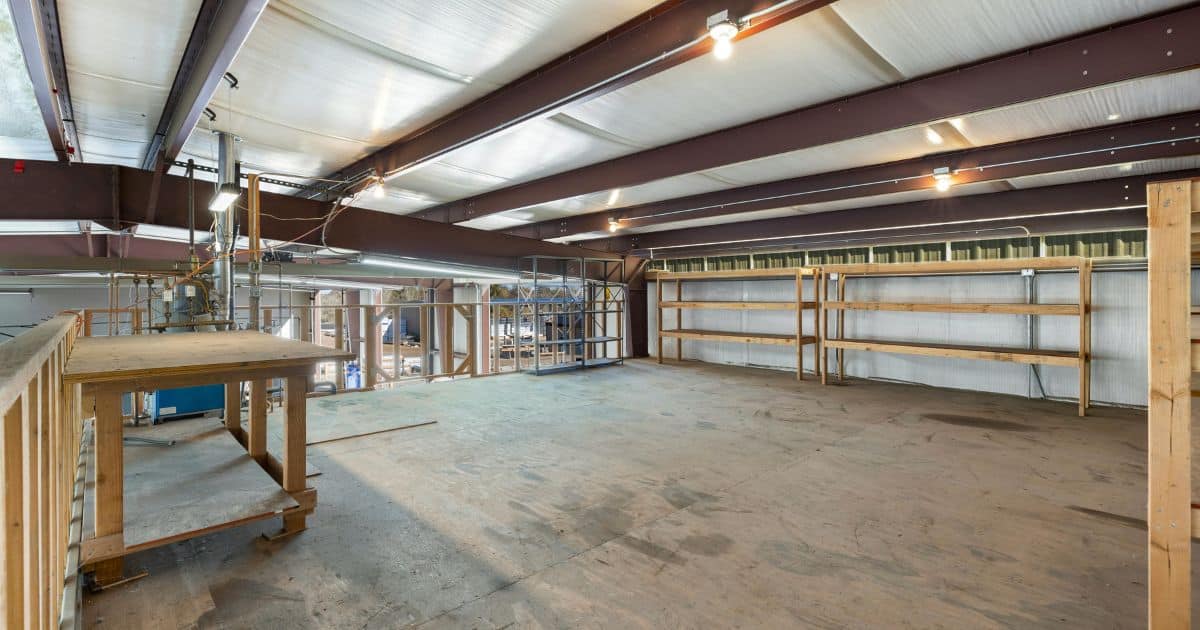
When a property becomes unoccupied, it presents a higher risk profile to insurers. An empty building is more vulnerable to theft, vandalism, and environmental damage, such as undetected leaks or electrical faults. For this reason, insurers classify unoccupancy as a material fact and a key piece of information that must be disclosed because it can influence the terms of your policy.
Failure to notify your insurer or broker of a change in occupancy status could result in reduced coverage or even the complete rejection of a claim. In the most severe cases, if the non-disclosure is deemed reckless, the insurer may void the policy entirely.
Despite the risks, many policyholders overlook this obligation – often not out of ill intent but simply because they forget, or underestimate the significance.
Real-World Scenario: One Property, Two Decisions
To bring this issue to life, let us explore a realistic journey that a commercial property owner may face.
Initial Setup of the Policy
A property owner acquires a building and lets it out to a local shop owner. They approach McClarrons to arrange insurance for the property. During the consultation, we explain that if the property becomes unoccupied at any point, this must be disclosed, as it can affect the policy terms and may require additional premiums to be paid or lead to adjustments to cover. In some cases, we might even recommend specialist “Vacant Property” insurance.
The client agrees to the cover and arranges the insurance accordingly.
Fast Forward: The Client’s Tenant Moves Out
Ten months into the policy, the shop owner vacates the property, having relocated to a larger premises. At this point, the landlord – the policyholder – faces a decision:
Scenario 1: Disclosure Made
The client recalls McClarrons’ advice and contacts us to report the change. As a result:
- We inform the client of an additional premium for the remaining two months of the policy.
- The insurer agrees not to restrict cover, on the condition that the client visits the property every two weeks to ensure it remains in good condition.
- The client complies with the policy conditions.
One month later, during a routine visit, the client discovers a significant leak on the top floor. The claim is swiftly logged with McClarrons’ Claims Team. A loss adjuster assesses the damage at £20,000, and the insurer pays out in full, recognising that all policy conditions were met.
Scenario 2: Disclosure Not Made
In this scenario, the client vaguely remembers the advice, but opts not to inform McClarrons – concerned about the cost and believing the risk to be minimal with only two months remaining of their policy.
One month later, they visit the property to prepare it for a new tenant and discover a leak and water damage. The loss adjuster assesses the damage at £50,000 due to it having been ongoing for some time but this time, the situation plays out differently:
- The loss adjustor notes that the building has been unoccupied and as such, the leak has gone unnoticed for an extended period.
- Since the client did not disclose the unoccupancy, they were unaware of the requirement to visit the property regularly if it’s unoccupied.
- The insurer declines the claim, as the policy conditions during unoccupancy were not met.
The outcome is a staggering financial loss that could have been avoided with a simple phone call.
Transparency Protects Your Business
This scenario underscores a critical detail for all business and property owners to take note of: always disclose material facts to your insurance broker or insurer. Whether it’s a change in occupancy, business operations, or any other detail that might affect your insurance, full transparency is the only way to prevent your cover becoming invalid and ineffective due to issues of disclosure.
At McClarrons, we go beyond policy placement—we work with our clients to understand their business, explain the implications of insurance terms, and proactively manage their risk. Our goal is not only to secure appropriate cover but to ensure our clients are fully informed and protected at every step.
For guidance on whether you’ve insured your property correctly or to request a complimentary review, contact McClarrons’ Commercial Team at 01653 609151 or commercial@mcclarroninsurance.com.