With changes in the weather imminent, the risk of subsidence can increase, making it important to give your property some attention. Here, we explore what subsidence is, what can cause it and the steps you can take to reduce the risk of it impacting your property.
What is Subsidence?
The definition of subsidence, as provided by the Association of British Insurers (ABI) is: “when the ground beneath a building sinks, pulling the property’s foundations down with it. Subsidence usually occurs when the ground loses moisture and shrinks due to prolonged dry spells, or the presence of trees and shrubs […] cause the soil to lose moisture.”
What causes subsidence?
Subsidence can be caused by a number of factors, which we discuss below, but ultimately, it occurs when soil foundations shrink and crack, shift and become unstable or are washed away.
- Trees – as these absorb water from the ground, they reduce the water content in the soil, which acts as the property’s foundation, causing it to crack and the foundations to break down, particularly in warmer weather or drought
- Mining – local activity, as well as old sites, can cause concern as they can weaken the foundations of nearby buildings, causing shifts or collapse in the ground
- Leaking drains or mains – these can wash away or destabilise soil by increasing its moisture content
- Soil Type – the type of soil in and around your foundations can also have an impact on the risk of subsidence for your property – clay soils (an expansive soil) can shrink and crack in warmer weather and expand with moisture, whilst sandy or chalky soils are more vulnerable to being washed away
What are the signs of subsidence?
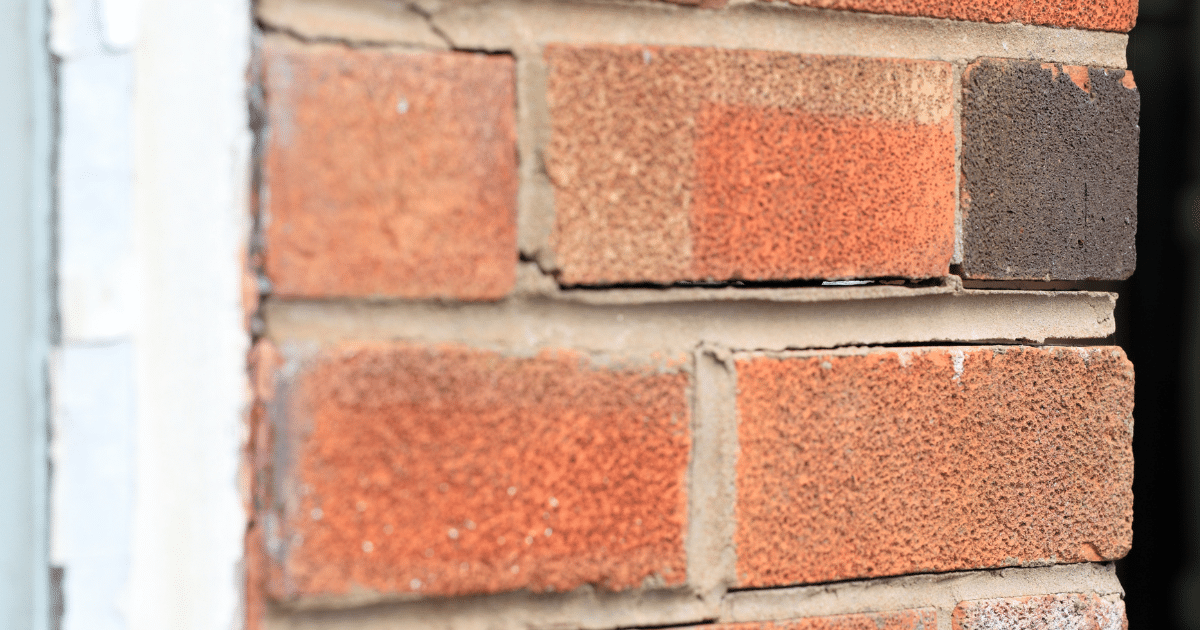
Subsidence can usually be identified by extensive cracks in the property’s walls, showing themselves internally in plasterwork or externally in the brickwork of the building. However, these are not like the usual settlement cracks you might see, they will appear suddenly and tend to be thicker than 3mm, and wider at the top than the bottom.
Additionally, shifts in the foundations can cause window and door frames to misshape, causing them to stick, making them difficult to open or close.
Other signs of subsidence include crinkling wallpaper, skirting boards separating from the walls or floor, sloping floors, cracks in driveways or paths, or even pooling water around the property.
This list is not exhaustive and should be regarded as a guide only.
What can you do to prevent subsidence?
Whilst not all types of subsidence can be prevented (such as that caused by former mining nearby or landslips), there are some preventative measures you can take.
Trees
If you want to plant trees around your property, be sure to select these carefully – picking trees that require the least amount of water can be helpful to prevent them from drying out the soil around the property, causing the foundations to shrink and crack. You should also keep any trees a far enough distance from your property to reduce the chances of subsidence – ‘a mature deciduous tree can remove in excess of 50,000 litres [of water] per year’* – this, understandably, can have a huge impact on the foundations of your property.
The table below, sourced from the ABI’s ‘Protecting your home from Subsidence Damage’ publication, provides a guide as to the distance trees should be from a property to help reduce the risk of subsidence.

If you already have trees near your property and are at all concerned about the potential of subsidence or damage to your building in any other way, we recommend speaking to a tree surgeon who will be able to advise on the best course of action to remove the tree or better maintain it. Pruning trees, for example, can help them to take in less water. You should not cut trees down yourself though, as this could cause heave (the opposite effect caused by subsidence, where the ground pushes upwards), which can be equally damaging to your property.
Drainage
Maintaining your drainage is also important – when was the last time your foul and storm drainage was looked at? Leaks in your drainage system can cause soils to go soft under the foundations of the building(s) or wash it away. Equally, poorly maintained guttering can leak and, over a period of time, cause a great deal of softening to a specific area. Sandy or gravelly soil is the most susceptible to this. Heave can also be caused when clay soils expand due to an increase in their moisture content.
Water Mains
Similar to the potential issues of your drainage system, your water mains should also be considered. If your bills have been particularly high for no apparent reason or the pressure from your taps is lacking, there may be a leak somewhere. This is worth having investigated so that if there is an issue, it can be addressed before it causes more serious damage.
Extensions & Renovation
Naturally, extensions to properties need to meet regulations and have official sign off on. This can often feel like a necessary evil but it’s important to protect others and your own interests by ensuring any works meet regulations, such as having foundations laid at the correct depth to avoid movement in the future.
How big of an issue is subsidence?
In severe circumstances of subsidence, it can be a huge issue, causing extensive property damage and leading to the property being uninhabitable. In most circumstances, subsidence is an expensive issue to deal with but if you can spot signs early and look to address the causes, it can be managed. Unfortunately, climate change is likely to drive an increase in subsidence over the next 50 years, with increasing rainfall and higher temperatures being seen year on year. These maps from the British Geological Survey show how climate-related subsidence may impact British properties in the near future.
How can McClarrons help?
Our insurance specialists can help advise on your buildings’ insurance, whether it be a home, commercial or residential let, or business premises you are looking to insure. To discuss your insurance needs with us or if you’re simply looking for some advice, please complete our Contact Form below.