The role trees play in reducing flooding, improving air quality, and promoting health and wellbeing is invaluable and their conservation is crucial but they do present certain risks that, if not managed properly, threaten the safety of both employees and the public, as well as property.
The owner of a business premises has general duties under the Occupiers Liability Act 1957 & 1984 to minimise the foreseeable risk of trees in harming others who enter that premises; if someone is injured, you could be held liable. Equally, if a tree causes damage to a neighbouring property, you could be held responsible for any costs and damages awarded as a result of legal action. The best way to discharge your duty is to take reasonable and proportionate steps to manage the risks, which will likely involve having a professional consultant or arborist conduct a tree survey.
Understanding and mitigating the risks
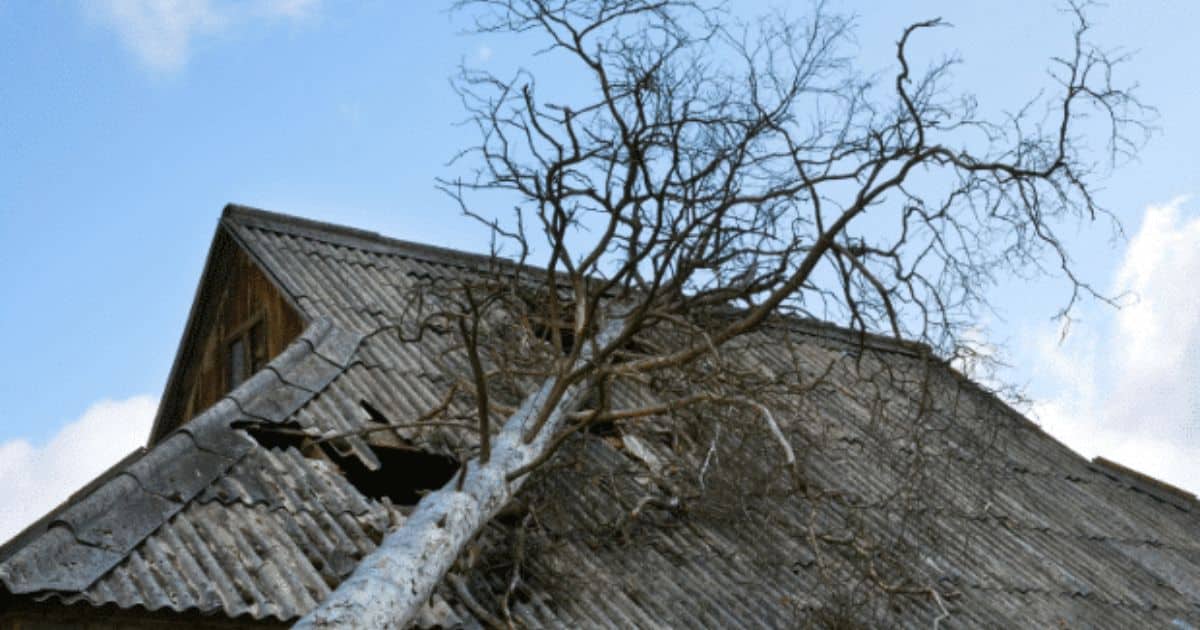
It is important to remember the significant risks associated with trees on your property, most commonly falling trees and branches. Trees don’t just fall and shed large branches during storms and strong winds, they will naturally fall as a result of age and disease.
Large trees, or trees growing close to roads and property can also cause damage through their roots. Tree roots can extend far from what is visible, potentially interfering with underground utilities, foundations, and plumbing. This can lead to costly property damage, from clogged drains to cracked foundations.
The following precautionary measures can be taken to manage your trees and reduce these risks:
- Regular Inspections:
Schedule routine tree inspections by a certified arborist, especially after severe weather events. This helps detect any damage or vulnerabilities that may have developed.
- Pruning and Maintenance:
Regularly prune trees to remove dead or overhanging branches. Pruning not only enhances safety but also improves the overall health and aesthetics of the trees.
- Disease and Pest Management:
Implement a disease and pest management programme for your trees. Addressing issues promptly can prevent them from spreading to other trees on your property causing further issues.
- Proper Planting:
When adding new trees to your land, ensure they are planted correctly and at an appropriate distance from structures and other trees. Follow best practices for tree planting to encourage healthy growth. The type of tree you plant can also have an impact on the risk it poses in terms of subsidence.
More on tree surveys and inspections
Industry experts, ProHort, recommend that you have your trees surveyed at least once every two years; hiring a certified arborist to conduct these regular tree surveys and inspections is crucial. These professionals can identify potential risks, diagnose diseases or infestations, and advise on appropriate action where issues are found. Arborists can also conduct hazard assessments, identifying trees or branches that may pose a risk of falling or causing damage/injury; they will recommend pruning, bracing, or removal as needed.
Evidencing the occurrence and adherence to regular tree inspections will also help protect you in the event a claim; if you have fulfilled your duties as a landowner, and have evidence of this, it is far less likely you can be proven to have been negligent should an incident occur.
Your responsibility and your insurance
As with many risk management covers, insurers assume a policyholder will implement measures as needed and conform to the legal conditions of cover; should you fail to do this, your insurer may reject your claim, whether this be someone making a liability claim against you for damage to their property or for injury, or if you are making a claim for your own damages. Managing trees on your property is a responsibility that encompasses safety, property value, and legal obligations.
If you’re unsure as to what measures your insurance policy expects you to take, get in touch with the team at McClarrons who will be happy to guide you further and help you to decrease the likelihood of suffering a claim for which you will not be covered or, even better, a claim in the first place.
You can contact our specialist Commercial team at commercial@mcclarroninsurance.com or on 01653 609151.