As a responsible dog owner, it is important to take measures to prevent your dog from chasing livestock. Here, we outline the penalties dog owners face should their dog be caught worrying livestock and provide some pointers on what can be done to prevent that from happening.
How does livestock worrying affect dog owners?
Responsible dog ownership can generally be split into four categories; pet’s basic needs, medical responsibility, training and obedience, and social responsibility – the latter is where livestock worrying fits in.
We can appreciate that dogs, as predators, have a natural instinct to chase, and we know that farm animals, as prey, are flighty and will run when they are spooked or sense danger, making it seem even more fun for the dog to keep on chasing. Looks like a never-ending situation, doesn’t it? This should be reason enough for dog owners to manage their dog’s behaviour and prevent any chasing when walking where there may be animals nearby. If a dog does chase livestock, it may cause them injury, directly or indirectly, or cause them so much stress that this causes them physical harm, including death or abortion. Not only that but many rural footpaths are privately owned, so trespassing should be a consideration too when out dog walking.
Ideally, we would hope that all dog owners would keep their pet dog from worrying any animal, let alone livestock, however, naturally, people have their own views on how serious of a matter livestock worrying is. Livestock worrying is a serious issue and can cause serious harm to both the animals and the people living in the area, and financial losses for farmers, which we throw light on here. Regardless of anyone’s views, the repercussions for an owner of a dog that worries livestock remain.
Under the Dogs (Protection of Livestock) Act 1953, an act (extending to England and Wales only) created to provide punishment for a dog owner who is guilty of their dog(s) worrying livestock, the penalties include a fine of up to £40,000, imprisonment up to 12 months, or both. This act defines livestock worrying as:
- attacking livestock;
- chasing livestock in a way that injury, suffering, abortion or loss of production could be expected; or
- not on a lead or not in control in a field or enclosure in which there are sheep
Penalties aside, the highest priority for any genuine pet owner will be the safety and well-being of their pet. A neglectful owner could find their dog compromised if a farm animal chooses to fight back, or the farmer locates the dog.
A common misconception is that a farmer has a legal right to shoot a dog that is worrying their livestock. Although a misconception, that is not to say this doesn’t happen. Shooting a dog must be the last resort for a farmer, and they would have to prove a lawful excuse as dogs are classed as property, so they could face criminal damage proceedings*. Our article explains how a farmer shot at an attacking dog twice when his flock of weaned lambs were being attacked by two dogs in 2016. Also, under the Animal Welfare Act 2006, it is an offence to cause unnecessary suffering to a dog and a breach of this could land the farmer a fine of up £20,000 or imprisonment up to 51 weeks.
Of course, while the farmer receives their punishment, the dog owner will have already had theirs in the form of a penalty but also in a more regretful form of either veterinary costs to save their dog or the loss of their beloved pet. This is why it is important that we continue to educate the public and remind people of the dangers of livestock worrying, so that pet owners and farmers alike can work together to keep their animals safe.
What can dog owners do to prevent livestock worrying?
Dog owners can take several steps to help ensure they are not contributing to the problem of livestock worrying, such as:
- Ensure that your dog is properly trained and socialised. Teach commands such as “come,” “leave it,” and “stay” to help you maintain control of your dog.
- Think ahead and plan your journey, taking into considering public walkways and paths that are ideal for dog walking away from livestock
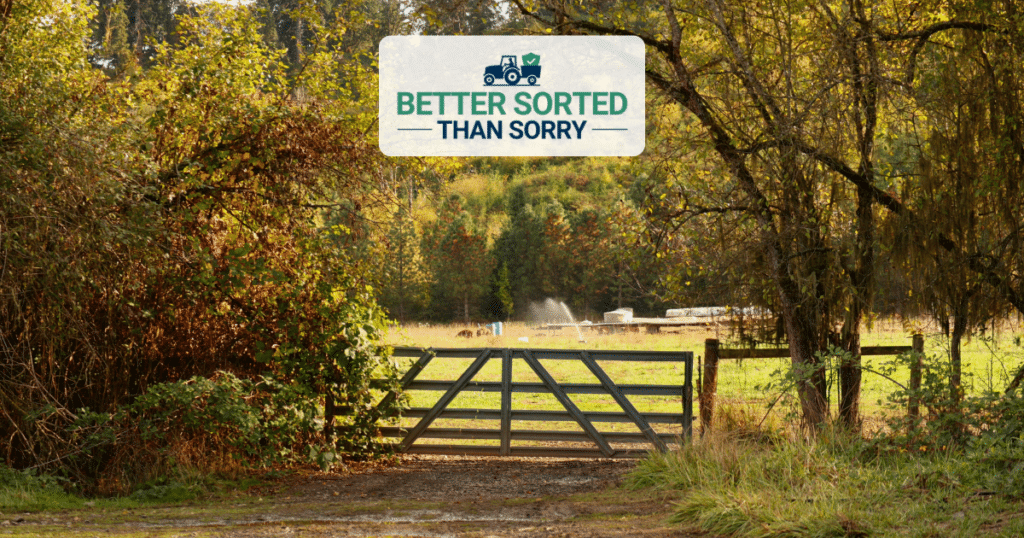
- Be aware and heed the guidance of signs on gates or fencing that warn you of farm animals nearby and keep your distance from these areas
- Be mindful of private land and walkways
- Keep your dog on a lead when you are near a farm, horse field, grazing field, etc.
- Consider using a muzzle if your dog has a tendency to chase
- Ensure your premise is securely fenced so that your dog cannot escape to worry animals or get lost, stolen, or killed
- Try not to walk too many dogs together around rural areas as many are harder to control and can become a hunting pack if they all get loose. This mostly applies to professional dog walkers.
We are here if you need us
The advice above may seem over the top, but prevention really is key. We hope that everything we have detailed above helps us all to reduce the likelihood of livestock worrying.
We would also advise that dog owners take a good look at their pet insurance policy to understand whether they have third-party liability would cover them if their dog was to cause injury to livestock, and if legal action cover is included.
If you are a farmer and would like some independent insurance advice, please feel free to contact our Farm Team on 01653 609152 or by emailing farm@mcclarroninsurance.com.