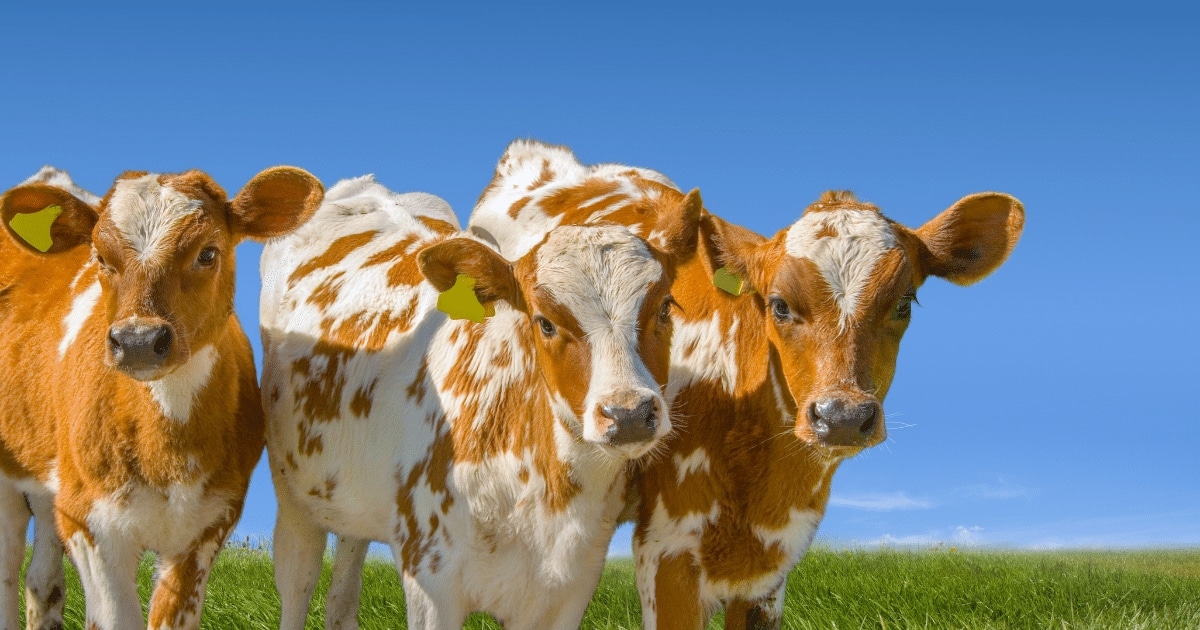
Livestock theft stands as a pervasive issue in the United Kingdom, posing a significant threat to the livelihoods of farmers. The theft of cattle, sheep, and other livestock not only inflicts financial losses on farmers but also disrupts the agricultural supply chain and food production.
In 2022, the costs of rural crime increased by 22%; livestock theft remained the most costly crime in farming with incurred costs rising by 8.7% in the UK.
Theft is often orchestrated by organised crime groups, exploiting the remote nature of many farms and the ease of transporting livestock across borders. These groups of criminals often employ diverse tactics, including night time raids, tampering with identification markings, and using large vehicles for quick transport. An example of this type of organisation can be seen in the article, here, in which we see the despair that these thefts can cause in rural communities, particularly with multiple hits happening in quick succession.
The impact of livestock theft
Livestock rustling has a profound impact on the well-being of rural communities, eroding the sense of security and trust among farmers but it also has an impact on the general public.
Meat, which has been butchered in unhygienic conditions and may be from animals which have received medical treatment, is often sold on the illicit market, undermining welfare standards, and posing a threat to human health.
This is a persistent problem in the UK and affects farmers on all scales; the theft of cattle, sheep, and other livestock has an array of impacts, including financial loss and damage to breeding lines.
How to reduce the likelihood of livestock theft?
Given the huge and varying impact livestock theft can have, how can farmers look to prevent it, and protect themselves in case the worse should happen? Below, we outline a non-exhaustive list of some of the things farming business owners can do.
- Enhance Security Measures: Install security cameras and lighting in vulnerable areas to deter thieves. If possible, implement access control measures like X or Y to restrict entry to authorised personnel only.
- Identification and Recording: Use robust identification methods such as electronic tagging and DNA marking on livestock and maintain meticulous records of animals, making it easier to trace and recover stolen animals should you suffer a theft.
- Community Vigilance: Foster a sense of community among local and nearby farmers, encouraging the sharing of information about suspicious activities and participate in local farm watch programs, as well as collaborating with local law enforcement.
- Secure Perimeters: Invest in sturdy fencing and gating to secure the perimeter of the farm. This can include natural barriers such as hedges or ditches to deter unauthorised entry.
- Animal Tracking Technology: Where practical, explore the use of GPS and RFID tracking devices for livestock, enabling real-time monitoring and swift recovery in case of theft.
Whilst implementing the above can help reduce the impact of potential livestock theft, these are not 100% effective and with it such a prevalent issue, it is important farming businesses have the right insurance protection in place to account for the worst happening.
Livestock Insurance Cover
The role of livestock insurance cannot be overstated; it serves as a financial lifeline, offering a safety net against the economic losses incurred due to theft, amongst other things.
- Understanding Livestock Insurance: Livestock insurance provides financial protection against the loss of animals due to theft, disease, accidents (not on a standard livestock policy), or other covered perils.
- Tailored Policies: Insurers can provide tailored policies that consider the specific needs and circumstances of the farm, providing coverage for different types of livestock, operations and potential risks.
- Comprehensive Risk Management: Livestock insurance is a crucial component of comprehensive risk management for farmers, offering peace of mind amid the persistent and increasing threat of theft.
- Collaboration with Law Enforcement: Livestock insurance policies often collaborate with law enforcement agencies, facilitating swift action in recovering stolen animals.
As the agricultural community unites to combat this problem through schemes like Neighbourhood Watch which encourage people to report suspicious activity in these areas, the combination of proactive prevention strategies and robust insurance coverage emerges as a potent defence in safeguarding rural communities.
We are here if you need us
We don’t just stop at insurance; we are here to support and assist our clients throughout the year and raise awareness of the issues that affect their livelihood, advising on how you can reduce your risk and to support you through any claims.
Stemming from their own personal involvement in the farming sector, our farm insurance specialists have an understanding of the diverse farm insurance market and the knowledge and understanding to help farmers protect their businesses. Find out more about the type of farm insurance we can help you with, here.
For a free review of your insurances or if you would just like some advice, please contact our dedicated Farm Team on 01653 609152 or at farm@mcclarroninsurance.com.