Restaurants, pubs, bars and hotels face a wide range of risks, and the insurance you need will depend on how your business operates. From your premises and equipment to food safety, employees and business interruption, here are some of the key things to consider when arranging hospitality insurance.
What type of hospitality business do you run?
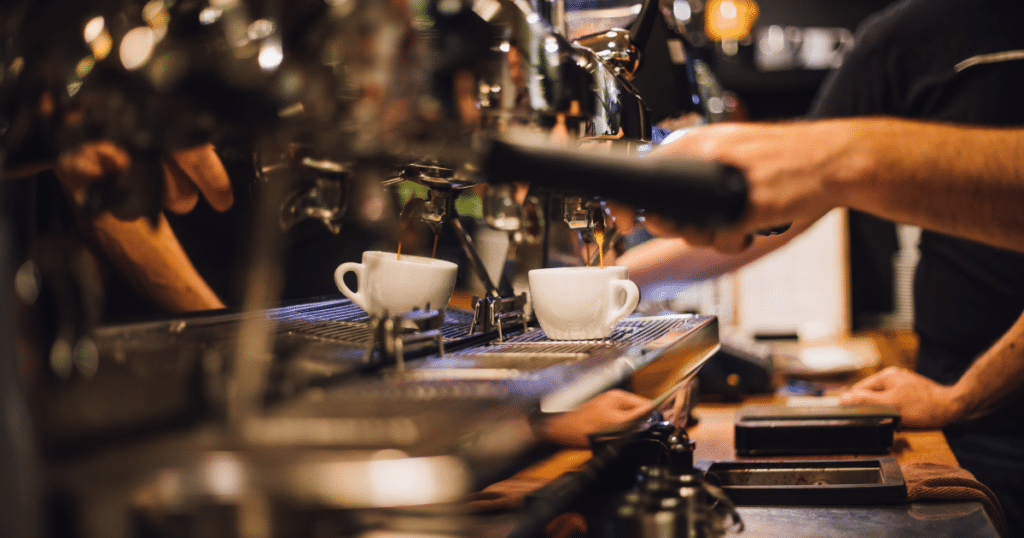
The first thing to consider is what your business actually does. A restaurant, pub, bar and hotel will all have different insurance requirements. A restaurant may rely heavily on commercial kitchen equipment and food stock. A pub or bar may serve alcohol, host live entertainment or run events. A hotel also needs to consider guest accommodation, communal areas and any restaurants, bars or leisure facilities it provides.
Your hospitality insurance should reflect all of the activities you carry out, not just the main service you provide. If you introduce a new service, such as takeaway, delivery, events or accommodation, tell your broker so they can check whether your existing cover remains suitable.
What are your premises, equipment and stock worth?
Hospitality businesses can have significant amounts of money invested in their premises, contents and equipment. Commercial ovens, refrigeration, bar equipment, furniture and specialist systems can all be expensive to replace.
When arranging your insurance, make sure the values you provide are realistic and based on current replacement costs. Underestimating your sums insured could leave you with a shortfall following a claim. To learn more, read our article The Unexpected Cost Of Underinsurance To Your Business.
Stock also needs consideration. A pub preparing for a major sporting event or a hotel approaching Christmas may hold considerably more stock than usual. If your stock levels change significantly during the year, check that your policy provides suitable cover.
What could happen if you couldn’t trade?
A serious fire, flood, escape of water or equipment-related incident could prevent you from opening your doors. Think about the financial impact if that happened. You may still have wages, rent, finance payments and other bills to pay even when your usual income has stopped.
Business Interruption Insurance can help with certain financial losses and additional costs following an insured event. When reviewing this cover, consider how long it would realistically take to get your business fully operational again. This could involve more than simply repairing the building. Replacing specialist equipment, completing building work, restocking and getting suppliers back in place can all take time. Read our claims team success story, where a catastrophic fire left a restaurant unable to operate Success Story – A Catastrophic Fire with Complex Restoration Requirements.
Who could make a claim against your business?
Hospitality businesses deal with customers, employees, suppliers and other visitors every day. This creates a range of potential liability risks. A customer could slip on a wet floor, or an employee could be injured at work. Public Liability Insurance can help protect your business against certain claims involving third parties, while Employers’ Liability Insurance is a legal requirement if you employ staff.
Insurance is only one part of managing these risks. Practical risk management can help you identify potential hazards, review your procedures and take steps to reduce the likelihood of accidents. McClarrons’ Risk Management service can provide support with identifying and managing workplace risks, helping you review your existing arrangements and understand where improvements may be needed.
Key issues that hospitality businesses need to manage carefully include:
- Slips and trips
- Safe use of hazardous machinery and equipment
- Chemical hazards
- Manual handling
- Fire hazards e.g., extraction systems
Are you meeting your food safety responsibilities?
If you prepare or serve food, food safety needs to be considered alongside your insurance. McClarrons Risk Management can assist with issues including:
- Implementing effective HACCP systems
- Allergen management procedures
- Food hygiene and safety audits
Good procedures can reduce the likelihood of contamination, spoiled food or an allergen-related incident, but they cannot remove every risk. Your insurance should also take account of how you prepare and serve food and any changes you make to your operation.
What security measures do you have in place?
Hospitality businesses can hold cash, valuable equipment and significant amounts of food and drink stock. Consider whether your premises have suitable locks, alarms and CCTV, and make sure staff understand procedures for handling cash, keys and alarm codes.
Your insurer may also have specific security requirements or conditions within your policy. Make sure you understand these and tell your broker if your security arrangements change.
Have you reviewed your insurance recently?
Your business can change significantly between insurance renewals. Don’t assume your existing policy will automatically keep pace with those changes. It is worth speaking to your broker if you:
- Move or alter your premises
- Buy new or more expensive equipment
- Increase your stock levels
- Take on more employees
- See a significant increase in turnover
- Introduce new services or activities
- Start offering takeaway or delivery
- Add accommodation, events or leisure facilities
It is also important to understand the exclusions, limits, conditions and security requirements that apply to your policies.
Hospitality insurance from McClarrons
At McClarrons, we understand that hospitality businesses can operate in very different ways. Our specialist Commercial Team takes the time to understand what you do, the risks you face and how your business could be affected if something goes wrong.
To discuss your hospitality insurance, contact our Commercial Team on 01653 609151 or email commercial@mcclarroninsurance.com.