Every year, over 1000 electric shock or burn incidents are reported to the Health & Safety Executive, and it remains one of the leading causes of workplace fatality in the UK*. Not only this, one of the most common causes of workplace fires is faulty equipment, whether that be loose or worn wires or a piece of equipment itself**. With the increasing reliance on electrical systems in agricultural and commercial sectors – from intricate machinery on a modern farm to essential office equipment in any business – the importance of electrical testing is paramount. It is not only crucial for maintaining business operations and keeping workers safe, but it is also a legal requirement enforced by the Health & Safety Executive (HSE). Understanding your exposures is key, and this extends to your Farm Insurance and Business Insurance.
Here, we explore the role electrical inspections play and their importance to your insurance.
The importance of Electrical Inspections
In the fast-paced world of modern businesses, operations heavily rely on electrical systems to power machinery, irrigation, lighting, and climate control systems, leading them to play a crucial role in ensuring smooth operations and efficiency on farms. This interconnectedness highlights the need for robust risk management strategies, including comprehensive Farm Insurance that accounts for such operational dependencies. However, this increased use also has the potential to increase the risk of electrical faults, which can lead to devastating consequences, endangering lives, damaging equipment, and causing disruption to productivity.
Not only this, the Health & Safety at Work Act (1974) puts a duty of care on employers to ensure, as far as is reasonably practicable, the health, safety and welfare of their employees and workers be maintained. The Electricity at Work Regulations (1989) covers electrical safety testing, which makes employers responsible for the protection of the health and safety of employees and any visitors to the workplace. Both of these, taken together, are then legally enforced by the HSE.
Although some business owners, such as farmers, don’t work directly with electricity, failing to introduce and maintain control measures and carry out regular risk assessments to identify hazards exposes employees to potentially fatal danger. Such risks underscore the importance of comprehensive Business Insurance and Farm Insurance policies that can provide essential protection against unforeseen incidents and liabilities. Conducting routine inspections and testing can significantly reduce the likelihood of accidents and contribute to a safer working environment.
Over time, wear and tear, environmental factors, and changes in electrical demands can lead to hidden electrical faults. These faults may remain undetected until a serious incident occurs, posing a significant safety risk for businesses and visitors, thus highlighting the urgency for comprehensive testing.
Key Benefits of Electrical Inspections:
- Safeguarding: Ensuring electrical systems are in good working order helps minimise the risk of electrical shocks and other electrical accidents (such as fires), helping protect workers and visitors on the farm.
- Enhance Efficiency: Identifying and rectifying electrical inefficiencies can lead to reduced energy consumption, lowering operational costs and promoting sustainable practices.
- Maintain Compliance: Electrical testing helps farmers comply with regulatory requirements and safety standards, reducing/preventing potential legal liabilities.
What do Electrical Inspections entail, and what records should you keep?
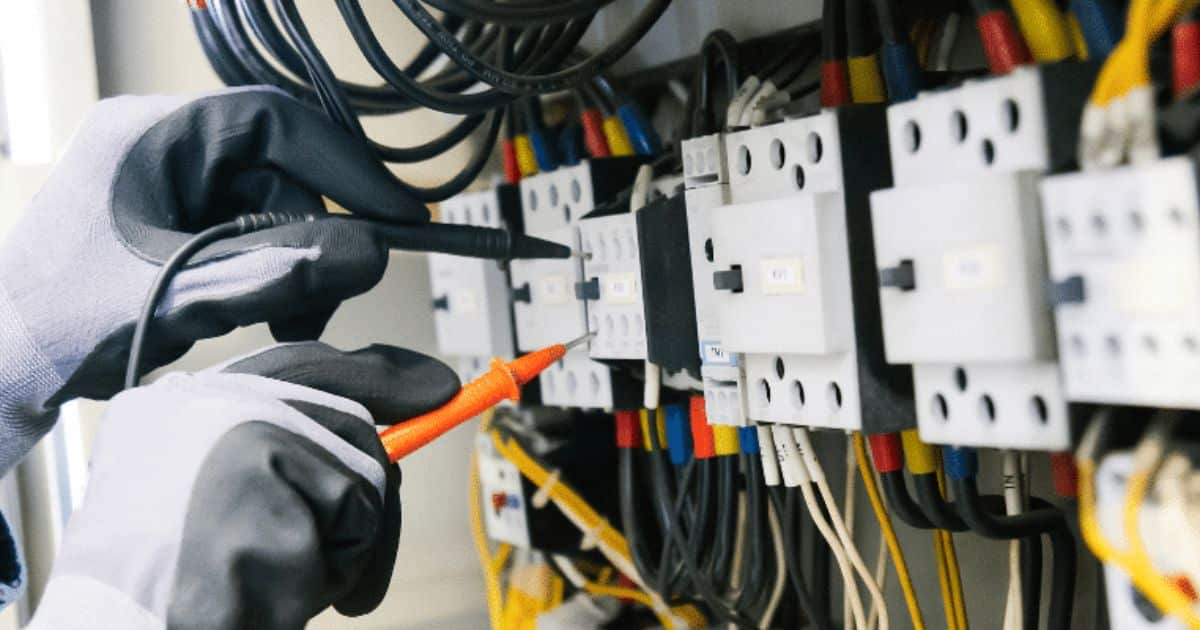
Electrical testing involves inspecting and evaluating the condition of electrical systems, wiring, and equipment. It aims to identify potential hazards, such as faulty wiring, improper grounding, and overloaded circuits and ensures that equipment is operating optimally and adhering to safety standards, reducing the risk of accidents, fires, and equipment failure.
Items such as switches, sockets, light fittings and the like should be checked for damages also, as well as the adequacy of any necessary signs and notices for safe working. Identifying and rectifying electrical inefficiencies can also lead to reduced energy consumption, lower operational costs and more sustainable practices.
As the well-being of workers and the success of business operations go hand in hand, electrical testing can be nothing but beneficial. A registered electrician should carry out inspections regularly to meet the requirements. Your electrical inspector will advise on how often you should have these carried out to remain compliant; this timescale will be based on a number of factors, such as the complexity of the electrical installation, the environment it’s in, its usage and age.
After an inspection has been completed, you will be issued with an Electrical Inspection/Installation Condition Report. This will show you are compliant with the Health and Safety at Work Act (1974) and the Electricity at Work Regulations (1989), or it could show that there are issues. If there are issues, the report will outline these and make suggestions for remedial works needed for you to meet requirements.
You should keep and maintain records of electrical testing and inspection activities, as well as any remedial action taken, to demonstrate your compliance with safety standards. These records may be called for should the HSE make an on-farm visit or, equally, should an incident occur or a claim be made against you for negligence. Proof that you take employee safety and legal requirements seriously and meet expectations can be invaluable. These records and reports can also be helpful when the next inspection comes around.
Electrical Inspections and your insurance
As a proactive measure, some insurance providers are now asking specifically farms to undergo, and evidence, regular electrical testing to qualify for Farm Insurance coverage. Electrical Inspections can be invaluable when it comes to preventing incidents and thus, claims. Naturally, insurers look to encourage preventive measures to reduce these, not just for themselves, but also to help you prevent accidents, unexpected costs and potential business interruption.
Even where this may not be a condition of your policy, insurers may wish to see evidence of Electrical Inspections having taken place. For example, in the event of a claim, to understand whether you have met your legal requirements and determine whether you may or may not have been negligent, which directly impacts your Business Insurance or Farm Insurance claim. Equally, they may wish to see this at the point of providing you with premium indications; here, they can determine what they believe your attitude towards risk to be. Sometimes, if you are proactive with your risk management and can evidence this, lower premiums can be obtained from insurers as they view you as a lesser risk.
How we can help
At McClarrons, whilst it is our primary role to source specialist insurance protection for your business in case things do go wrong, we are also here to help support your risk management
For more detailed information on specific coverages for your operations, visit our dedicated Farm Insurance and Business Insurance pages.
Sources:
**Causes of Fire in the Workplace | News – Target Fire Protection