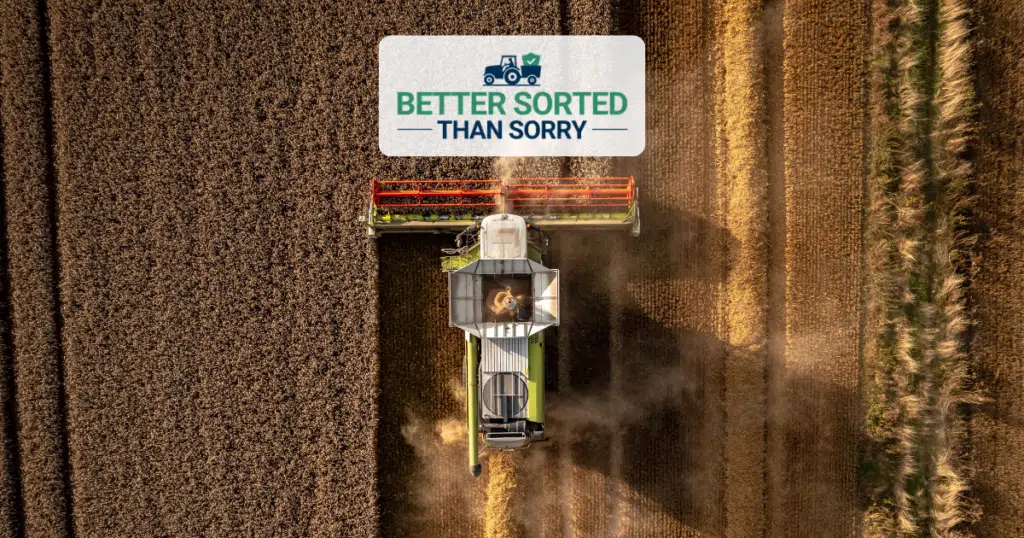
Farming is being elevated from its grassroots up to the cloud to ensure enough food for a growing population.
The nutritional benefits of almonds make farming them a multi-million-pound industry and a thirsty one at that. But Californian almond farmer Tom Rogers has managed to reduce the amount of water needed for his yield by 20% thanks to data sharing and the cloud.
The amount of water released by the farm’s irrigation system is based on data sent from moisture sensors planted in groves to the cloud, ensuring that only the right amount of water needed for the crop is used.
The trend towards “smart farming” is becoming more widespread, as we accept that production needs to increase by 70% if we’re to feed the anticipated 9.7 billion mouths by 2050. And with farmland at a premium already, the only feasible way to do this is to increase yield, while avoiding putting a further strain on the Earth’s limited resources.
Today, data can be gathered from soil to gauge nutrient content and the impact of fertiliser, while contour mapping can indicate how water moves around.
16 years ago, tractor manufacturer John Deere was already making waves in technology-driven farming, fitting their vehicles with GPS sensors which ensured ground was covered sufficiently without over or under-attending to any patches, saving farmers up to 40% in fuel bills in some cases.
The scope of data “harvesting” for the benefit of the agricultural industry is almost limitless. The question is, where can all this data be stored?
This is where agricultural production lines already invested in the future of their business can look to the cloud as a solution to secure and process data, without having to rely on physical servers.
Businesses around the world are already pinpointing the potential of the enhanced storage, speed and processing power the cloud can offer, whether it’s John Deere’s vehicle performance software or a system built on Amazon’s cloud platform allowing farmers more buying power.
Even city centres are seeing the light of this cloud-based farming revolution.
Urban farms in London converted from underground tunnels send their crop vitals to the cloud to make cloud software start-up, Growing Underground, aware of any issues.
And as these crops grow with LED lights rather than soil, it shows technology’s potential for regaining control in a sector which has always been at the mercy of the weather.
As a new age of farming, which seems worlds apart to traditional methods, it’s important to re-establish any possible risks to revenue, production and safety.
If you’re looking at investing more into “smart farming”, talk to our agricultural insurance experts at McClarrons on 01653 697055 or by emailing farm@mcclarroninsurance.com to see how your insurance and risk management can best serve your ventures.
Sources:
http://theweek.com/articles/732140/future-farming-cloud
Factory fresh