The issue of Plant and Machinery Theft
Plant machinery is expensive and high demand makes it easy to sell these as stolen goods; plant theft is a particularly significant problem in the UK, potentially due to the ease of export. Once out of the UK, tracking, identifying and recovering stolen machinery is rarely easy, often impossible.
Theft of plant and equipment costs the agricultural and construction sectors in excess of £650m per year, with the actual cost potentially much higher when taking into account associated costs such as plant replacement, hire of replacement equipment, loss of business, and increased insurance premiums. Since the beginning of the Coronavirus pandemic, the number of plant and machinery thefts have skyrocketed, and with over £400 million of machinery and plant stolen each year, has resulted in increased insurance premiums. Reducing this risk, and preventing the interruption and financial impacts these thefts have on businesses, is now an accelerated priority for companies, individuals, dealerships and insurers.
With a common goal to reduce commercial theft, we work with industry experts, such as The CESAR Scheme, who are recognised by insurers, police and criminals to provide you with articles, such as this, to mitigate risk and enhance theft prevention measures to reduce both the likelihood of claims and business interruption.
Tried and Tested Theft Prevention
A new bill designed to prevent theft and the re-sale of equipment and tools is in the latter stages of its journey through parliament, having gained Royal Assent towards the end of July. Once passed, The Equipment Theft (prevention) Act 2023 will enable the introduction of regulations that aim to deter theft of equipment used by tradespeople and predominantly high-value machinery, with an emphasis on the agricultural industry, though it will apply to all machinery.
As we know, the theft of machinery is inconvenient and expensive and can create a delay in operations and lead to a loss of revenue. Below are several basic things that you, as a business, can do to help reduce the likelihood of theft and organised crime from affecting your business, and increase the chance of retrieval of stolen property.
- Risk assess your operations and identify targets within your business and property, such as weaknesses in security and trends in the timing of break-ins and thefts. This can help you recognise areas that require more attention or highlight preventative methods that you can improve upon to allow you to apply appropriate security measures. Combined Industries Theft Solutions (CITS), a nonprofit organisation that works to reduce the effects of crime in the construction and agricultural industries, have created a guide designed to assist you in identifying your risks and improving your security to help make a significant difference in protecting assets.
- Mark all of your machinery and equipment with clear identification such as a business address or contact number which cannot be removed and take photos of this. This makes it easier for stolen property to be returned to you, and in the case that you need to evidence ownership, you can.
- Install security devices, such as GPS tracking and identification marking, like the CESAR Scheme marking which can be highly beneficial; we discuss the latter in more detail below.
- Unfortunately, organised crimes are carried out by “experts” meaning plant and machinery is targeted more than most imagine. The use of mechanical anti-theft devices such as wheel clamps and steering locks can act as a visible deterrent to many criminals.
- Make a property log which details the make, model, serial number and description of the plant and machinery on your property; retain this along with purchase information so that you can provide the police with as much information as possible should your property be stolen. In the case that a theft occurs, you will be asked to provide a lot of
- Create a close working and well-trained group of employees that understand theft prevention procedures in the workplace and their importance, and who can identify dishonest activity or indications that plant and machinery isn’t secure.
- Ensure you have adequate insurance in place and always inform your insurance provider of any changes to the details relating to your cover.
Security marking with the CESAR Scheme
With advancing technology, there are more options than ever to help combat these thefts; there is a variety of identification markings, GPS tracking devices and close communications between the police and plant dealers, which can all help to prevent the re-sale of stolen machinery.
There is also a wide range of identification methods and security devices available on the market that provide a number of benefits, including trackers, alarms, immobilisers and CCTV. Not only can the installation of these devices prevent the cost implications and business interruption associated with machinery theft, but the end result of a better claims experience, which can sometimes lead to more competitive premiums from insurers.
Below, The CESAR Scheme discuss some of the benefits of utilising their security technologies to protect your machinery.
The CESAR Scheme is the official security marking scheme for the Construction Equipment Association (CEA) and has been operating since 2007 protecting, to date, over 600,000 construction plant and agricultural machines. Powered by a multitude of forensic security marking solutions from the UK’s most trusted provider, Datatag ID Ltd, it is invaluable in the ongoing fight against plant and machinery theft.
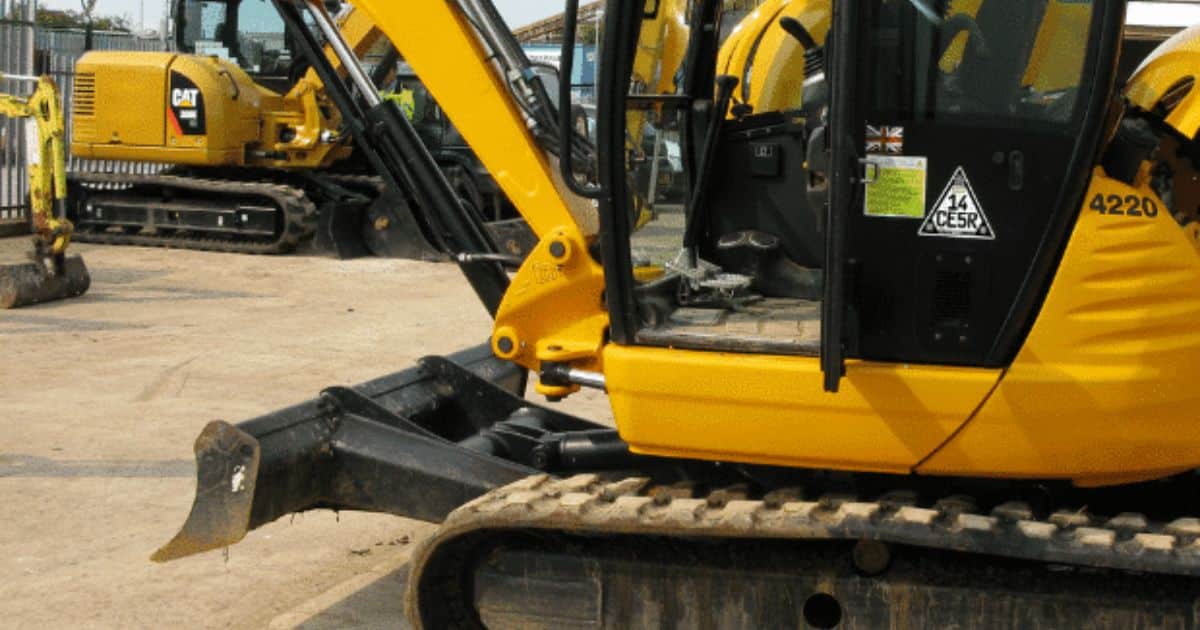
The now iconic visible CESAR ID triangle, which adorns over 80% of new machines coming into the market, is supported by a number of other identification technologies such as the next-generation Ultra High-Frequency RFiD transponders and hundreds of microscopic Datadots® held in a UV trace adhesive, which in itself also contains a unique DNA marker specific to that machine.
This combination of technologies ensures that the true identity of any CESAR-marked machine is almost impossible to mask and is visible to a potential criminal making them a much higher-risk target and therefore, less appealing. Should a machine be stolen, the CESAR system’s ID technologies allow police to easily identify a machine, and Datatag’s dedicated Police Liaison Team work tirelessly in supporting police operations by providing the tools necessary to identify vehicles, as well as delivering IMI-accredited courses on Plant and Machinery Identification.
Datatag ID’s forensic marking solutions are not solely aimed at plant and machinery, they also offer systems to protect farm GPS systems, 4x4s and ATVs, plus nautical vehicles such as jet skis, outboards and boats, as well as more easily stolen items like power tools and bicycles.
To see how The CESAR Scheme can assist your business, visit their website here.
How McClarrons can help
By installing security devices, following the advice set out by industry experts, and ensuring adequate insurance cover for your business, you can reduce the chance of theft of your property and the resulting operational interruption, and can have peace of mind that should the worst happen, you have insurance in place to support your business and recover your losses.
In terms of your protection, a member of our dedicated team of insurance specialists can visit your business to identify and advise on your insurance requirements in order to protect you and your business operations into the future.
To see how you can benefit from an independent insurance broker that specialises in Commercial Insurance, contact our Commercial Insurance Team on 01653 609151 or at commercial@mcclarroninsurance.com.