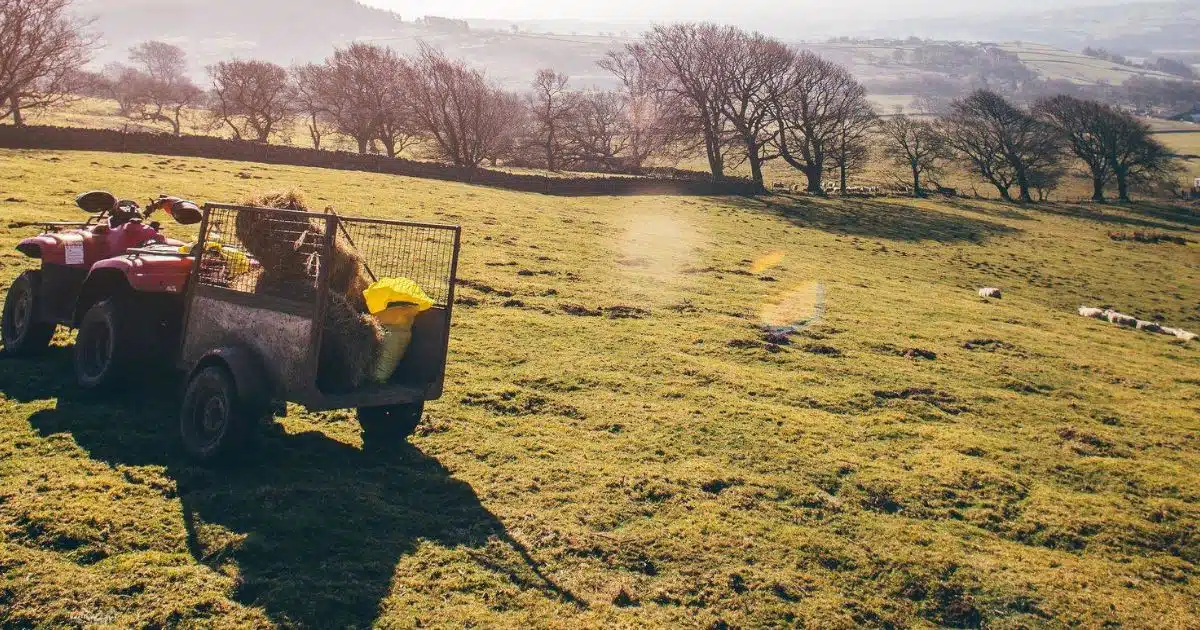
Since the beginning of lockdown, we have seen an 11% rise in claims related to theft of ATVs/RTVs, as well as GPS guidance systems from farm vehicles, which are worth thousands of pounds.
Police say that thieves are using the quiet period during lockdown and the busy period for agriculture to target farmers and steal their high value goods.* Thieves are currently targeting quad bikes and GPS systems as they are small enough to manoeuvre into their own vehicles and can be sold, quickly, for thousands of pounds. The theft of GPS systems can also cause serious damage to farm vehicles, as thieves will cut wires and cables to release the systems, resulting in loss of earnings due to delaying land work.
We are therefore urging farmers to up their security, especially during lockdown. Below we have suggested some tips to reduce and prevent ATV & GPS crime.
7 tips to help reduce and prevent ATV & GPS crime
- Thieves often visit a farm before they steal anything. Therefore, when finished with any vehicles, ensure they are locked in a secure building using steel padlocks, to prevent unwanted visitors and that they are out of sight from the road.
- Remove GPS systems from the vehicle if not in use.
- Remove all keys from vehicles if left unattended, making sure they are locked from the outside to help prevent access to GPS systems. If the vehicle is left unlocked, this could be considered ‘a moral hazard’ i.e. where the behaviour of the insured changes in a way that raises costs for the insurer as the insured no longer bears the full costs of the effects that behaviour may have.
- Mark vehicles with a Cesar marking device as this provides an easy way to identify farm vehicles/machinery. This helps police officers locate stolen equipment and can determine ownership, leaving it less attractive to thieves.
- Immobilisers, such as quad vices, can prevent theft by clamping the back wheels of the vehicle, preventing it from being driven or towed away.
- Using chains and padlocks on quad bikes will also help to deter thieves as it makes the theft of them more time consuming.
- Ensure that your ATVs and/or GPS systems are adequately and accurately insured so that should the worst happen, you’re covered for their costs.
You can also find tips to keep your farm safe during winter here.
How McClarrons Can Help Farmers
McClarrons will support you in the event of a claim; our in-house claims team manage settlement negotiations, liaises with third parties and insurers, and guide you in the steps to take in the immediate aftermath of any loss.
If you would like a complimentary review of your farm insurances or would like to discuss the cover of your farm vehicles more specifically, you can contact our Farm Team on 01653 609152 or by emailing farm@mcclarroninsurance.com.
To find out more about what we do, visit our rural insurance page.